You understandwhy it hurts.It still hurts.
TRG is a structured, short-term method that works with the unconscious mind, where emotional memories and the body’s automatic alarms are stored. Sessions with Marta Polanco, online and in person.
- Short term and structured
- Online or in person
- You stay in control

Does any of this sound familiar?
People usually find TRG after trying to think their way out of something that lives deeper than thought. Tap what sounds like you.
TRG is probably not the right fit if you are looking for a quick fix, or would rather not take an active part in the process. That is worth knowing before you book.
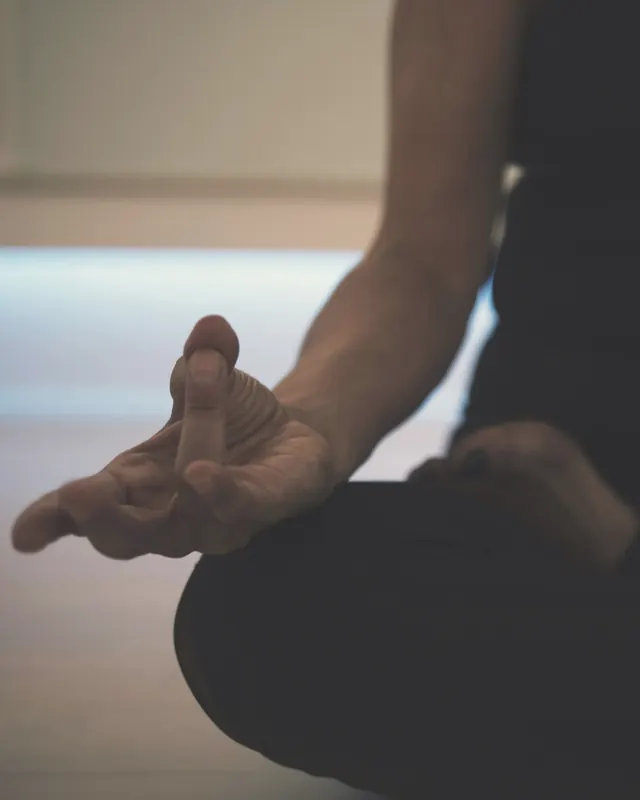
Why pain you understand can keep hurting.
A simple way to picture what TRG works with. Scroll through the four layers.
1 of 4
The reaction you notice
A tight chest before a phone call. Tears that arrive out of nowhere. The same argument, again. This is the part you can see, and the part most people spend years trying to manage.
2 of 4
The memory underneath
Often it traces back to an earlier experience that was never fully processed. You may understand it perfectly well by now. Understanding it just has not changed how it feels.
3 of 4
The alarm your body kept
The unconscious mind stores the emotion and the body’s automatic response together. So the alarm keeps going off in moments that are no longer dangerous.
4 of 4
Where TRG works
TRG works at that level, reprocessing the emotional charge so a memory can stay a memory. The aim is not to erase what happened. It is for it to stop running your present.

What a session is actually like.
Calm, structured and unhurried. Most people are surprised by how little they have to say out loud.
- About an hour, online or in personJoin by video from somewhere private, or meet in person by appointment.
- You do not have to retell itTRG does not require you to describe a painful experience in detail.
- Nothing is forcedNo memory or emotion is pushed. You can pause at any point.
- You stay in controlMarta guides a structured process, and you set the pace inside it.
How the work unfolds.
No open-ended commitment. A clear start, a structured middle and a point where you are done.
A free 30-minute call
Tell Marta what is going on and ask anything you like. You will know whether TRG is a good fit before committing to a single session.
Your first session
Together you map what brings you in, what you would like to feel differently, and where it makes sense to begin.
Reprocessing sessions
Structured sessions work through the experiences and responses you have identified, at a pace that stays manageable.
Checking in
You review progress together and decide what comes next. TRG is designed to be short term, so the goal is to finish, not to keep you coming back.


Hello, I am Marta.
I trained in TRG because I kept meeting people who had done years of honest work to understand their pain, and still carried it every day. Understanding had taken them as far as it could.
My sessions are calm, structured and confidential. I work with adults who are ready to take an active part in their own process, online or in person, and I will always tell you on our first call whether I think TRG is the right approach for you.
Marta Polanco, TRG practitioner

What people tend to describe afterwards.
- “The memory is still there. It just does not hurt the same way.”
- “I noticed I did not react the way I used to.”
- “For the first time I felt it change, instead of just understanding it.”
Questions people ask first.
If yours is not here, bring it to the free call. It is what the call is for.
Book a free 30-minute callIs TRG the same as talk therapy?
No. Talk therapy tends to work through understanding and insight. TRG is a structured process that works with the emotional and bodily response itself. Many people come to it after talk therapy helped them understand something that still hurts.
Do I have to talk about what happened?
Not in detail. TRG does not require you to retell a painful or traumatic experience, and no memory is forced. You decide what you share.
How many sessions will I need?
TRG is designed to be short term, and the number of sessions depends on what you bring. You review progress together as you go. The free call is a good place to ask about your situation.
Can I have sessions online?
Yes. Sessions are available by video, so you can join from anywhere private. In-person sessions are available by appointment.
Is TRG evidence-based?
TRG is an emerging approach, and formal research on it is still limited. It is best seen as a complement to, not a replacement for, medical or psychological care when you need it.
Does TRG replace my doctor or therapist?
No. If you are under the care of a doctor, psychiatrist or therapist, keep working with them, and never stop a medication without their advice. TRG can sit alongside that care.
What does a session cost?
Fees and any package options are shared on the free call, so you can decide with the full picture and no pressure.
Is what I share confidential?
Yes. What you share stays between you and Marta, except in the rare situations where the law requires otherwise, such as a serious risk of harm.
What if I need help right now?
TRG is not crisis support. If you are thinking about harming yourself or feel unsafe, call or text 988 to reach the Suicide and Crisis Lifeline, or call 911.

Book a free call.
Thirty minutes to talk things through and ask anything. Share a little about what brings you here, and Marta will get back to you to find a time, usually within one business day.
Need help right now? TRG is not crisis support. Call or text 988 any time, or call 911 in an emergency.